VOC Port Authority Pioneer Green Finance with Carbon Credit Initiative; Targets ₹50 Crore Revenue
Tuticorin, Tamil Nadu — V.O. Chidambaranar (VOC) Port Authority has officially commenced the generation of carbon credits from its extensive renewable energy portfolio. This landmark move marks a significant shift in port management, successfully marrying environmental stewardship with robust financial performance. Under the visionary leadership of the Hon’ble Prime Minister, Shri Narendra Modi, and the strategic guidance of the Union Minister for Ports, Shipping and Waterways, Shri Sarbananda Sonowal, VOC Port is being transformed into a global engine of green growth, innovation, and sustainable maritime excellence.
The Port has successfully registered five pivotal renewable energy projects under this scheme, boasting a collective installed capacity of 12.4 megawatts (MW). This diversified portfolio includes a 400 kilowatts (kW) rooftop solar installation alongside 1-MW and 2-MW ground-mounted plants, complemented by high-capacity 6.3-MW and 2.7-MW wind energy projects. Over the coming decade, these assets are projected to generate approximately 19,483 carbon credits. With current market projections, VOC Port anticipates a revenue realisation of nearly ₹50 crore, positioning the Port as an early adopter in leveraging global carbon markets to de-risk and reward sustainability investments.
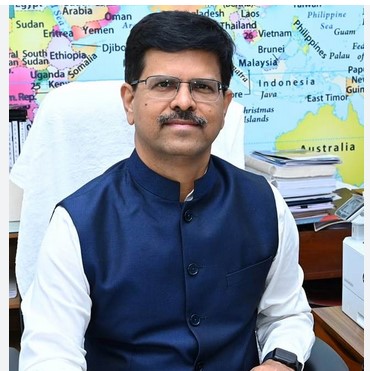
Susanta Kumar Purohit, Chairperson of V.O. Chidambaranar Port Authority
Shri Susanta Kumar Purohit, Chairperson of V.O. Chidambaranar Port Authority, commented: ‘At VOC Port, we are firm believers that environmental responsibility and economic viability are not mutually exclusive, but rather mutually reinforcing. By operationalising carbon credit generation, we are not merely reducing our carbon footprint; we are creating a sophisticated financial model for sustainable maritime operations.
This initiative is a testament to our commitment to the ‘Harit Sagar’ Green Port Guidelines. The revenue generated will be strategically reinvested into next-generation green infrastructure, such as Green Hydrogen and alternative fuel ecosystems, ensuring Tuticorin remains at the forefront of the global green maritime transition.’
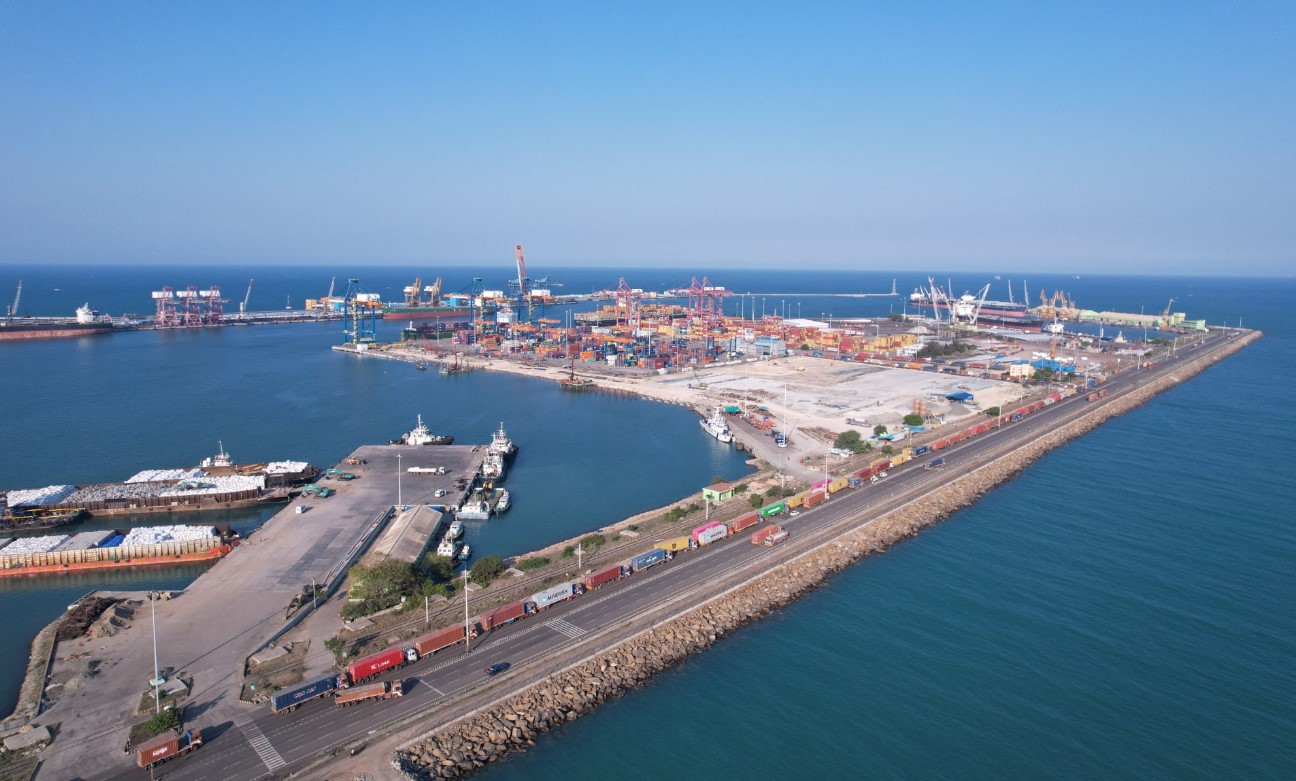
Strategic Alignment and Future Outlook
The initiative aligns seamlessly with the Ministry of Ports, Shipping and Waterways’ Maritime India Vision 2030. By integrating with the Carbon Credit Trading Scheme (CCTS) and the burgeoning Indian Carbon Market (ICM), VOC Port is playing a foundational role in developing a domestic carbon trading ecosystem. Beyond the immediate financial windfall, the Port’s transition to green energy has significantly diminished its reliance on conventional power, leading to a substantial reduction in long-term energy procurement costs and enhanced operational efficiency.
This successful model provides a replicable blueprint for major ports across the Commonwealth and the globe, proving that the journey toward ‘Net Zero’ can be both ecologically sound and commercially lucrative.